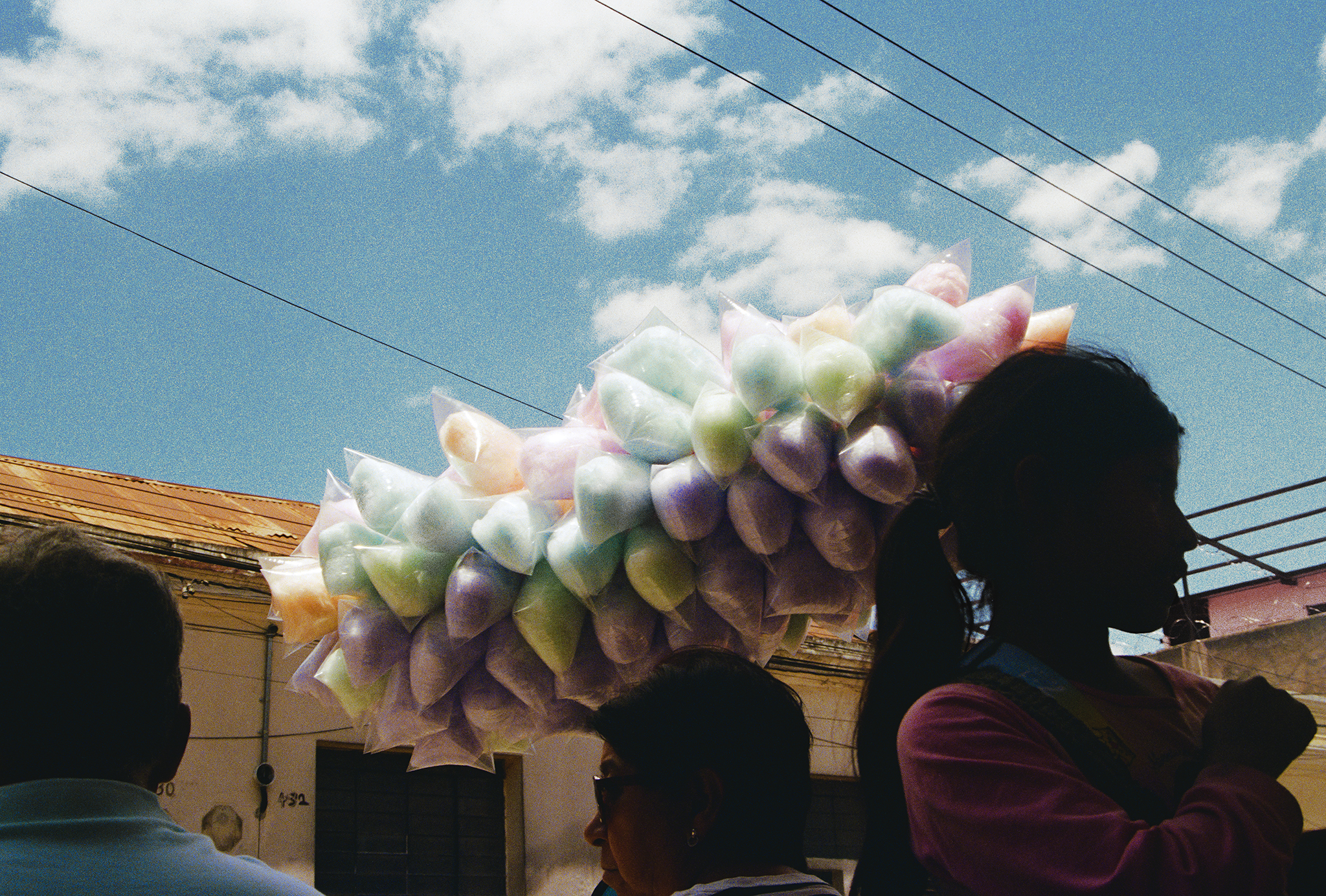
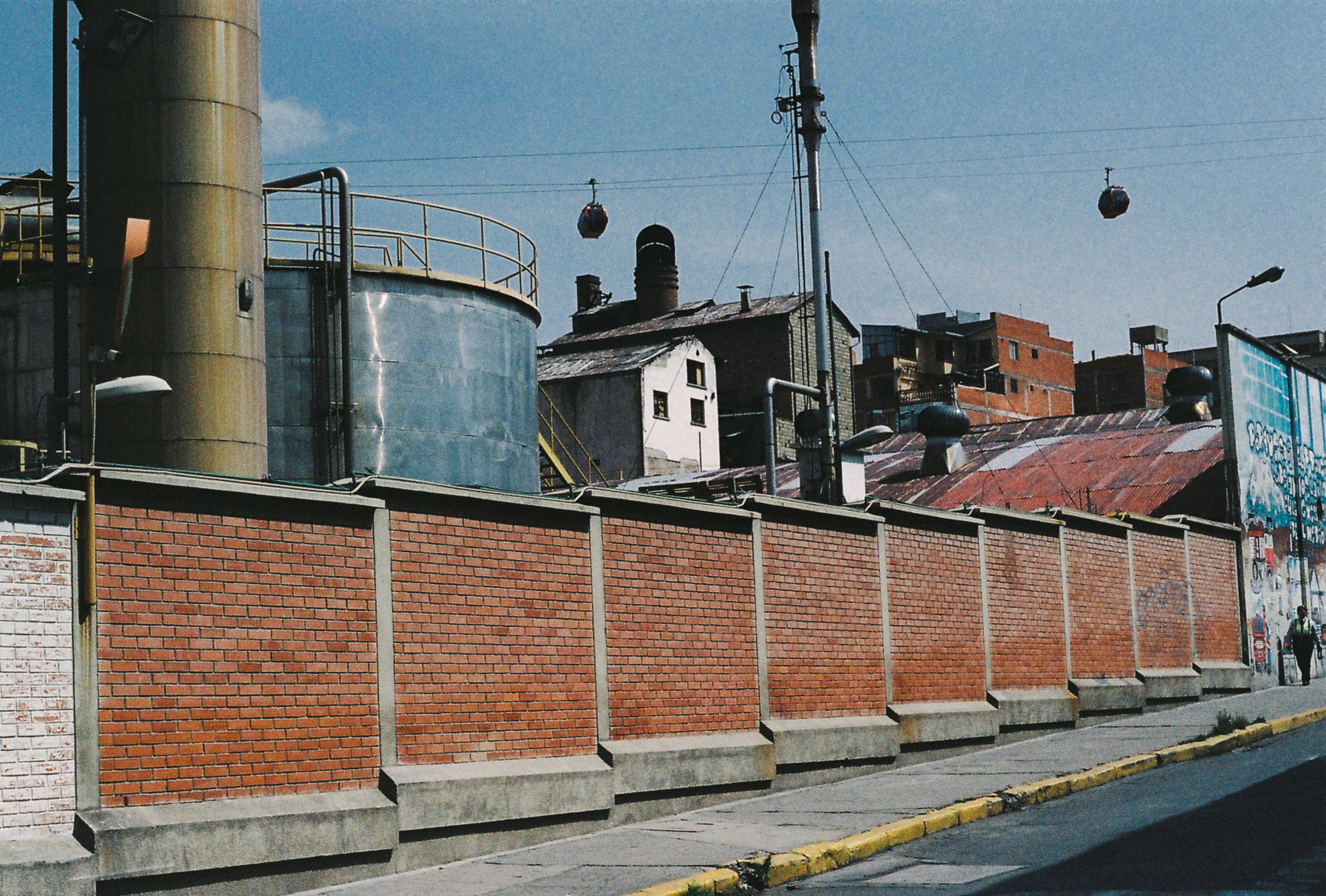
Dias Tras Días asserts itself as a contemporary act of resistance and creation, affirming the relevance of analog photography in a world saturated with ephemeral digital images. Through its slow pace and tangible materiality, film photography fosters an intimate relationship with memory, time, and sensitivity.
The series is the result of an eleven-month journey, carried out between 2023 and 2025, from Peru to Alaska, shot with my Pentax P30 camera.
Like a travel diary, Dias Tras Días develops a subjective photographic language, nourished by the legacy of documentary photography. The collection brings together black-and-white and color analog images, gathered day by day, on the margins of spectacular events.
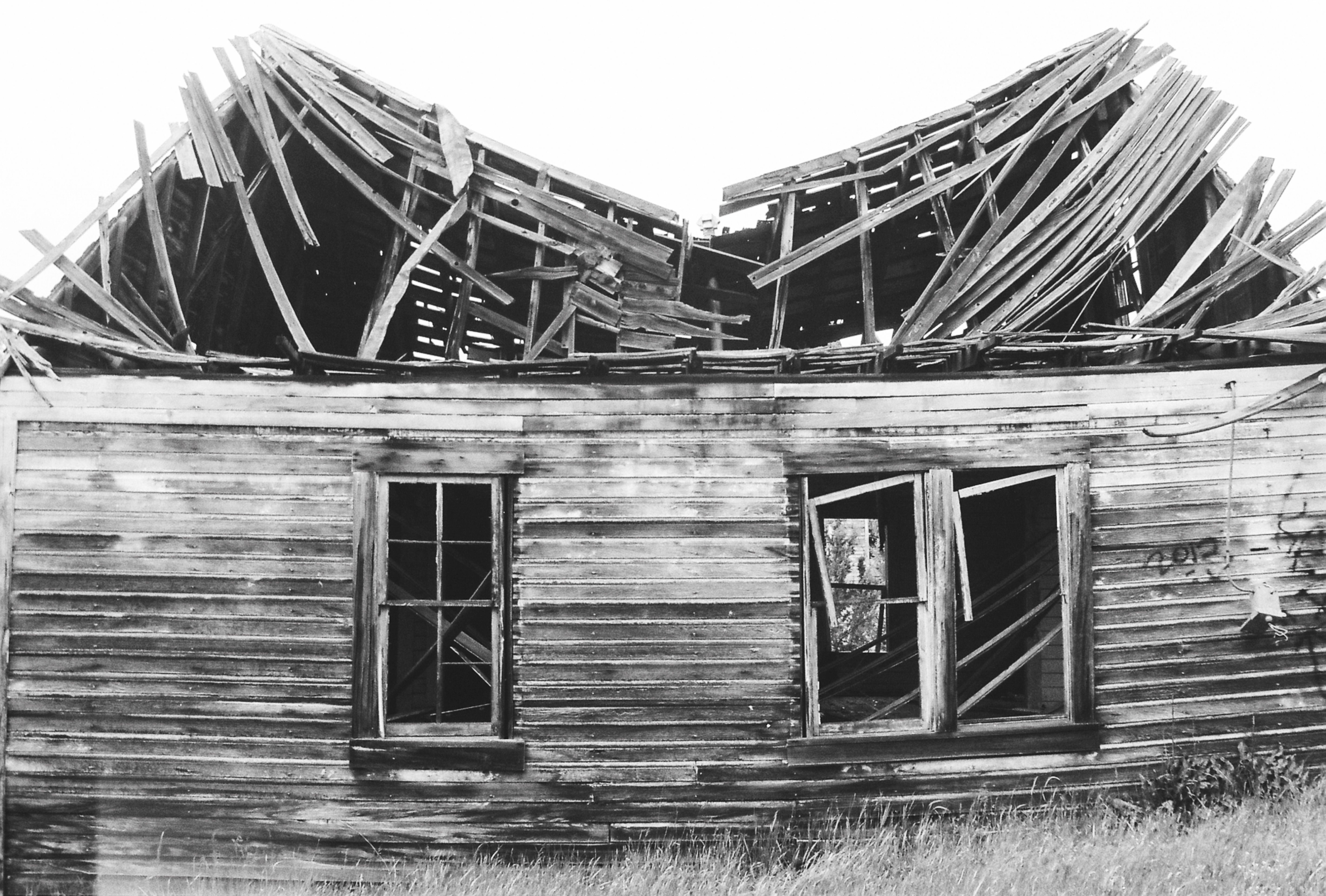
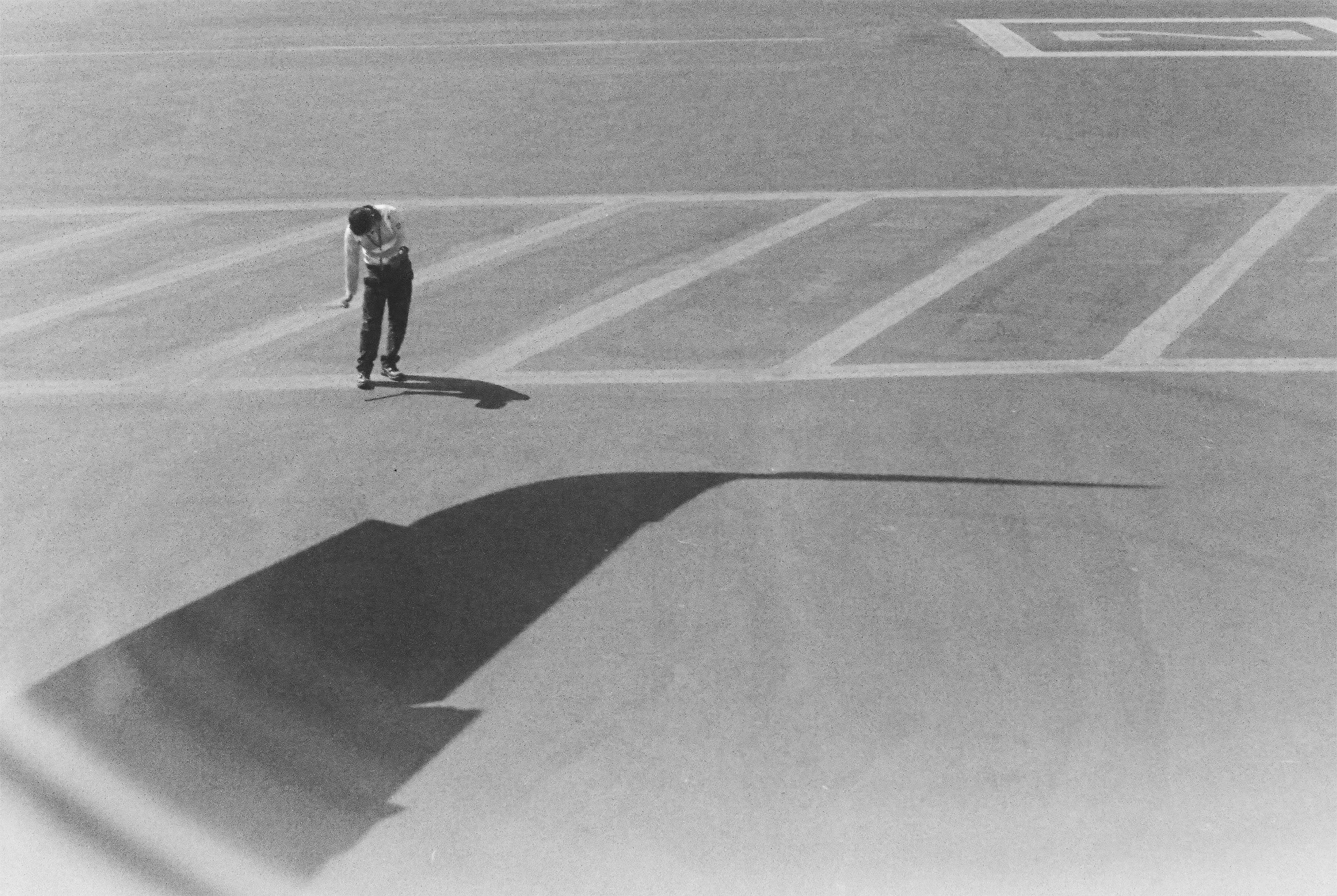
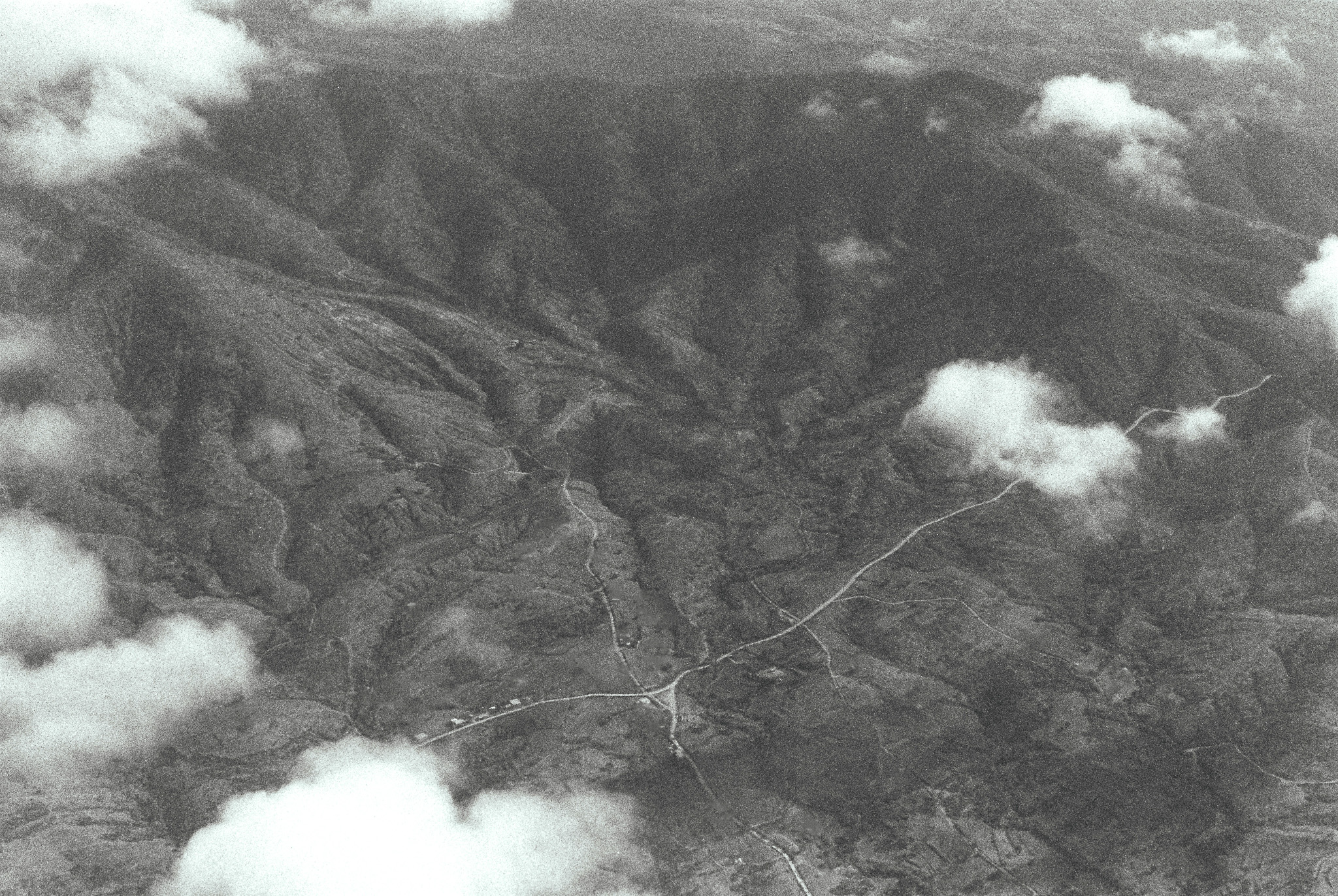
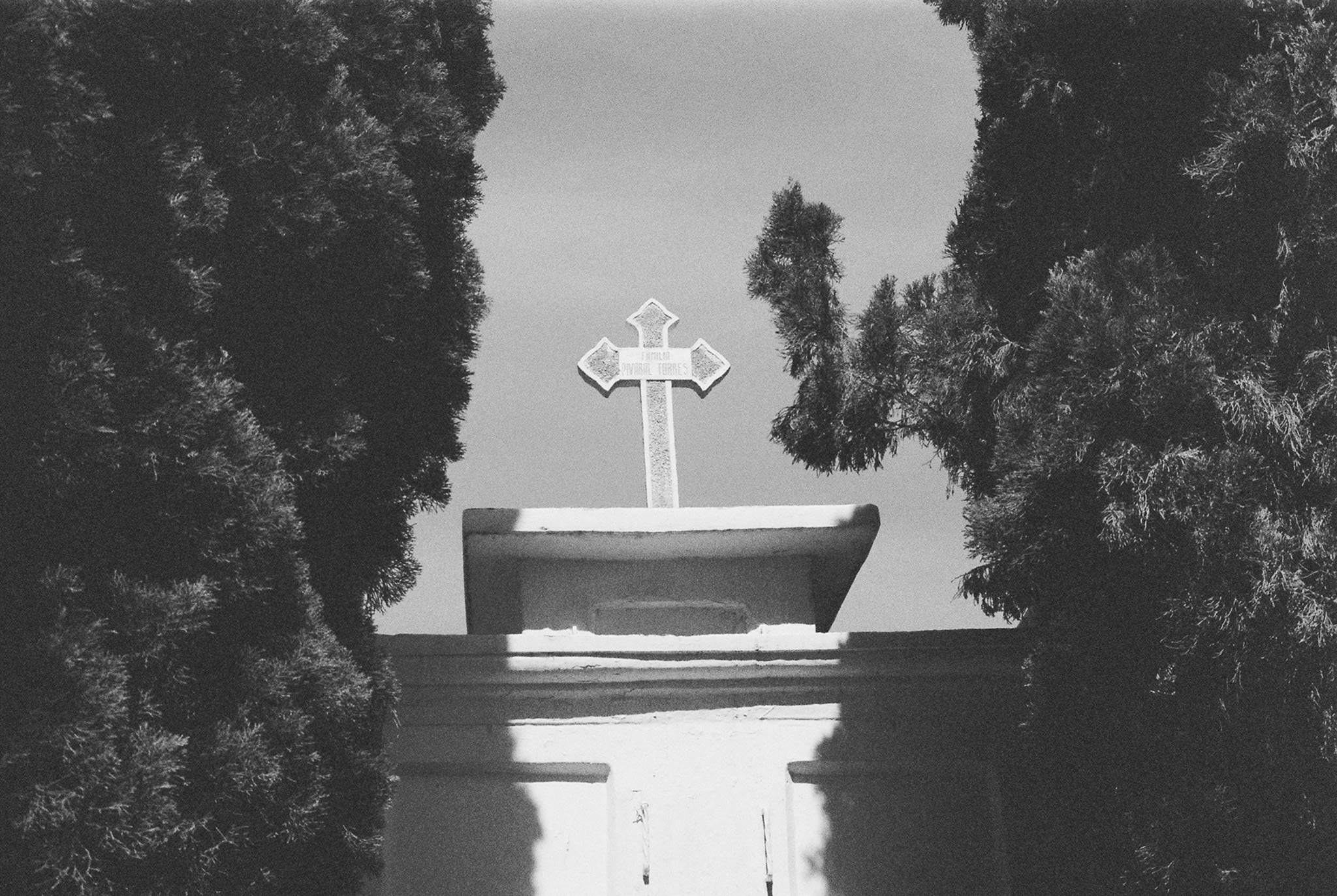
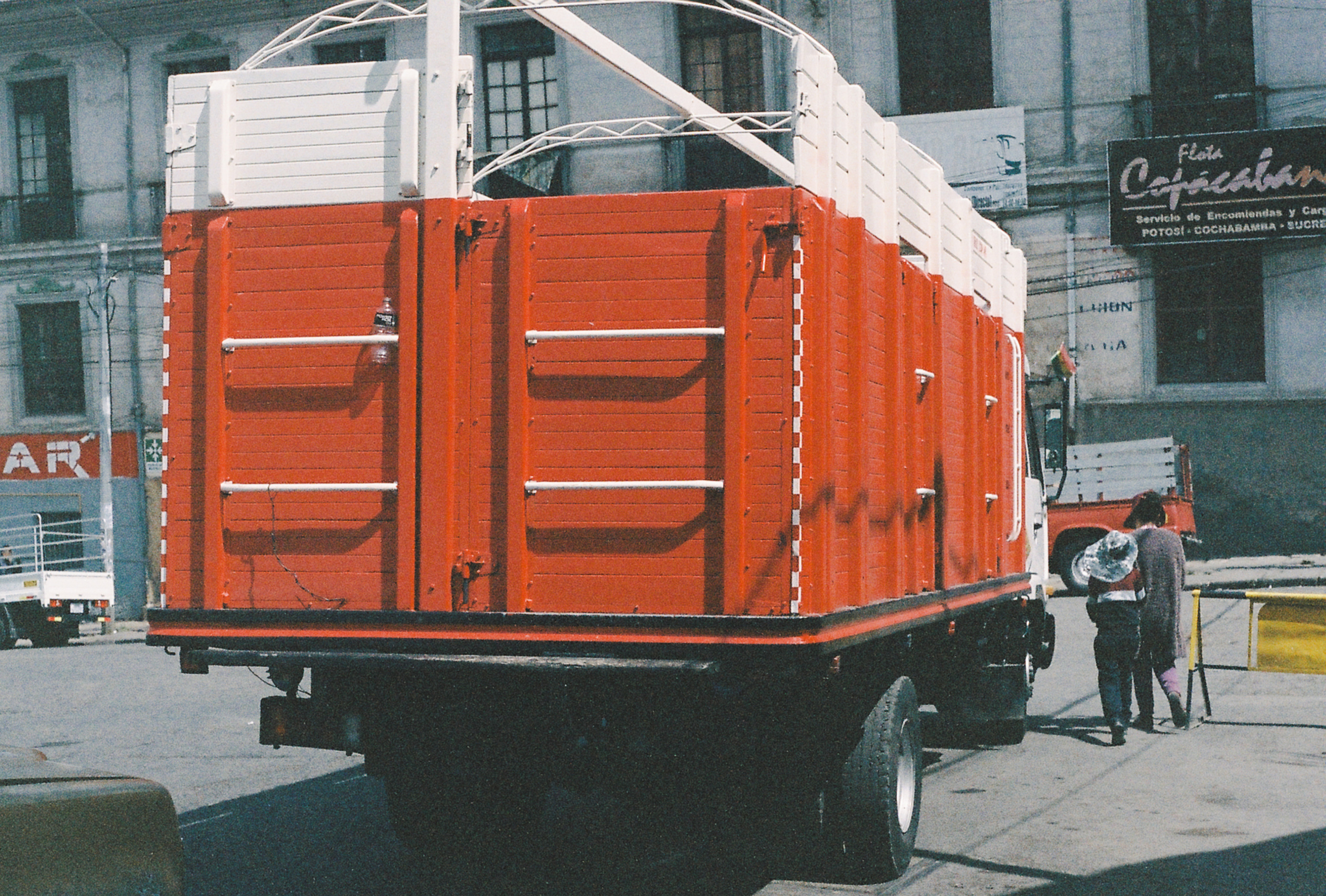
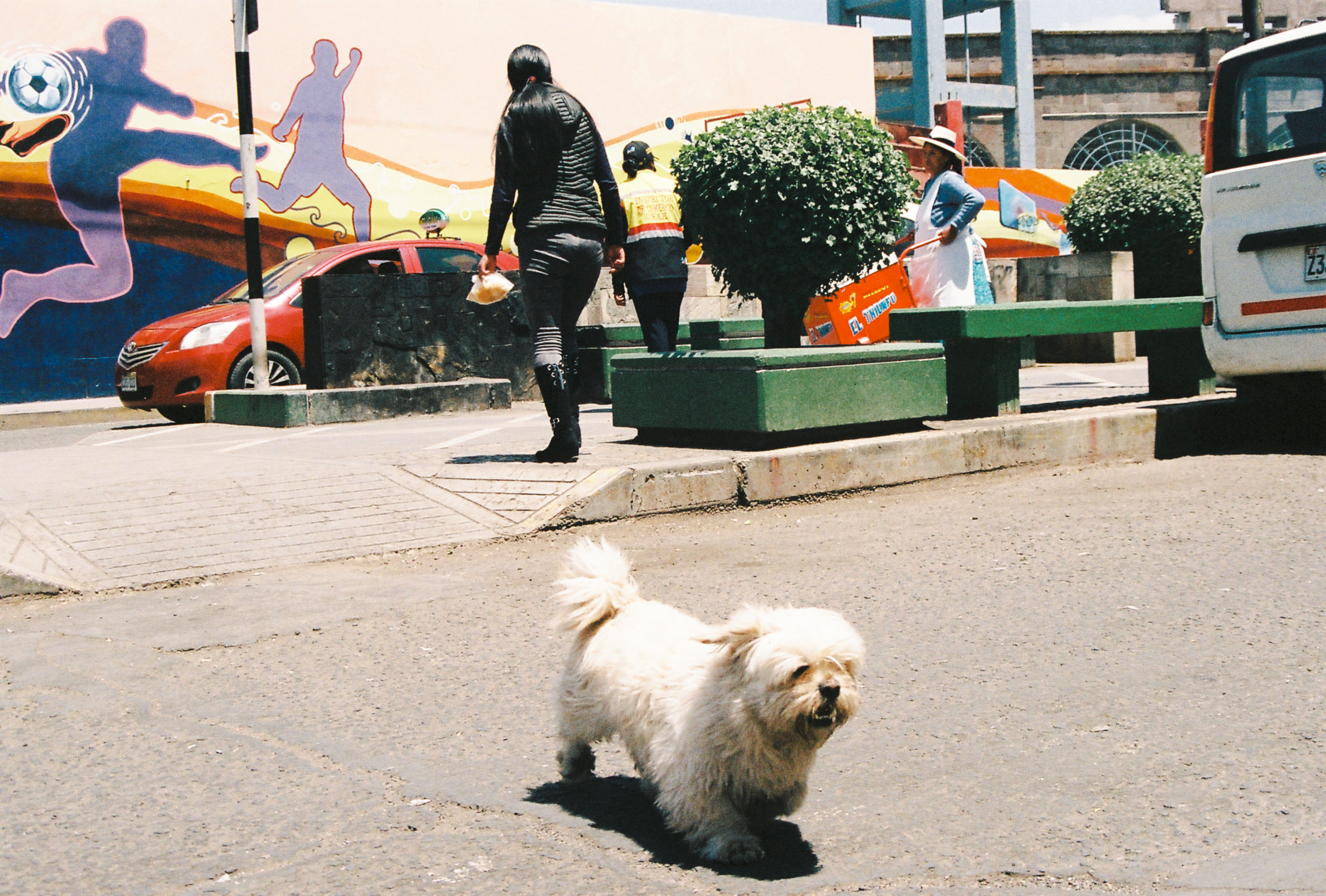
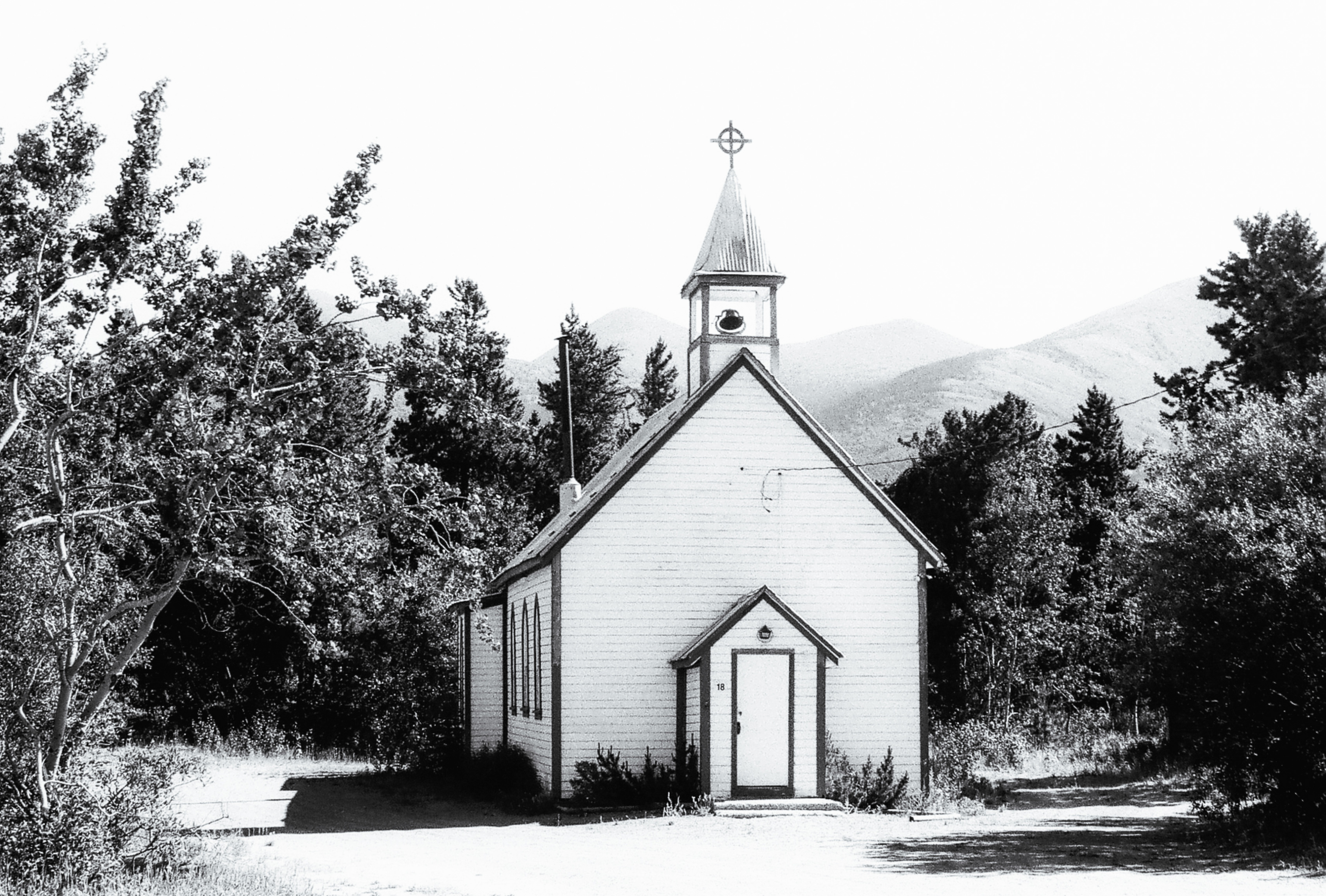
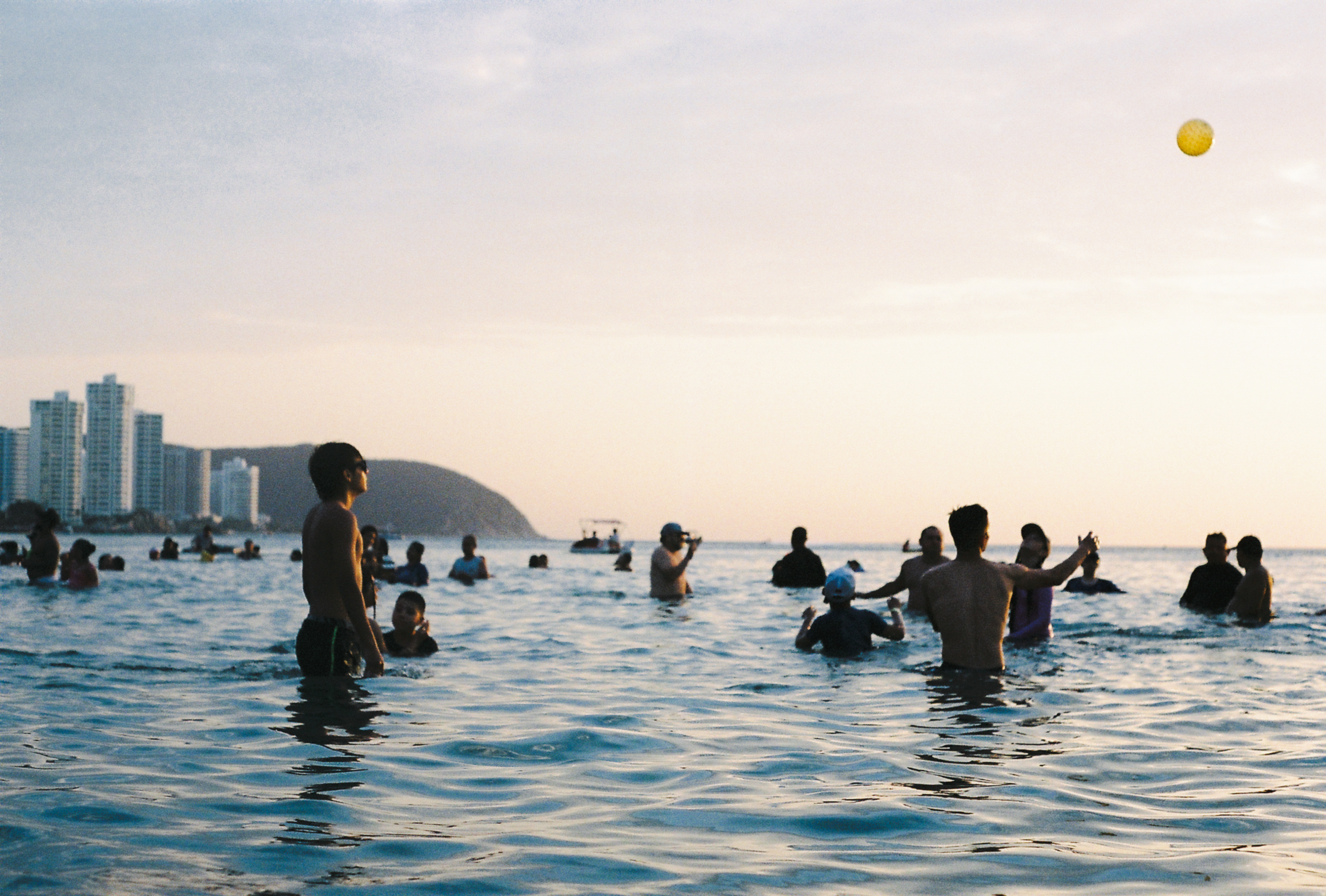
The visual narrative is constructed from non-events: ordinary scenes observed by the roadside, in forests, cemeteries, or from the window of an airplane. Human figures often appear anonymous, almost ghostly, blending into empty or deserted landscapes.
Without a linear narrative, each image functions as a fragment, inviting the viewer to establish their own connections. Dias Tras Días thus opens a space for projection, where looking becomes an act of imagination, and where the banality of reality reveals an enigmatic poetry.
-----
Dias Tras Días s’affirme comme un acte contemporain de résistance et de création, affirmant la pertinence de la photographie argentique dans un monde saturé d’images numériques éphémères. Par son rythme lent et sa matérialité tangible, la photographie argentique favorise une relation intime à la mémoire, au temps et à la sensibilité.
La série est le fruit d’un voyage de onze mois, réalisé entre 2023 et 2025, du Pérou à l’Alaska, réalisée avec mon appareil Pentax P30.
À la manière d’un carnet de voyage, Dias Tras Días développe un langage photographique subjectif, nourri par l’héritage de la photographie documentaire. Le corpus rassemble des images argentiques en noir et blanc et en couleur, glanées jour après jour, en marge des événements spectaculaires.
Le récit visuel se construit à partir de non-événements : scènes ordinaires observées au bord des routes, dans les forêts, les cimetières, ou depuis le hublot d’un avion. Les figures humaines apparaissent souvent anonymes, presque fantomatiques, se fondant dans des paysages vides ou désertés.
Sans narration linéaire, chaque image agit comme un fragment, invitant le spectateur à établir ses propres correspondances. Dias Tras Días ouvre ainsi un espace de projection, où le regard devient un acte d’imagination, et où la banalité du réel révèle une poésie énigmatique.
© 2026